



Anxiety Kit: What to Put in It and How to Build Your Own
A small box of familiar, comforting things can give you somewhere to turn when worry arrives. Here is what we would include, and how to make it your own.
An anxiety kit is a small, friendly box of things you can reach for when worry or big feelings show up. We both know how quickly those feelings can arrive, and how much it helps to have a plan that does not rely on finding exactly the right words in the moment. A kit works for adults, teens and children alike. You simply fill it with what suits the person it is for.
What to put in an anxiety kit
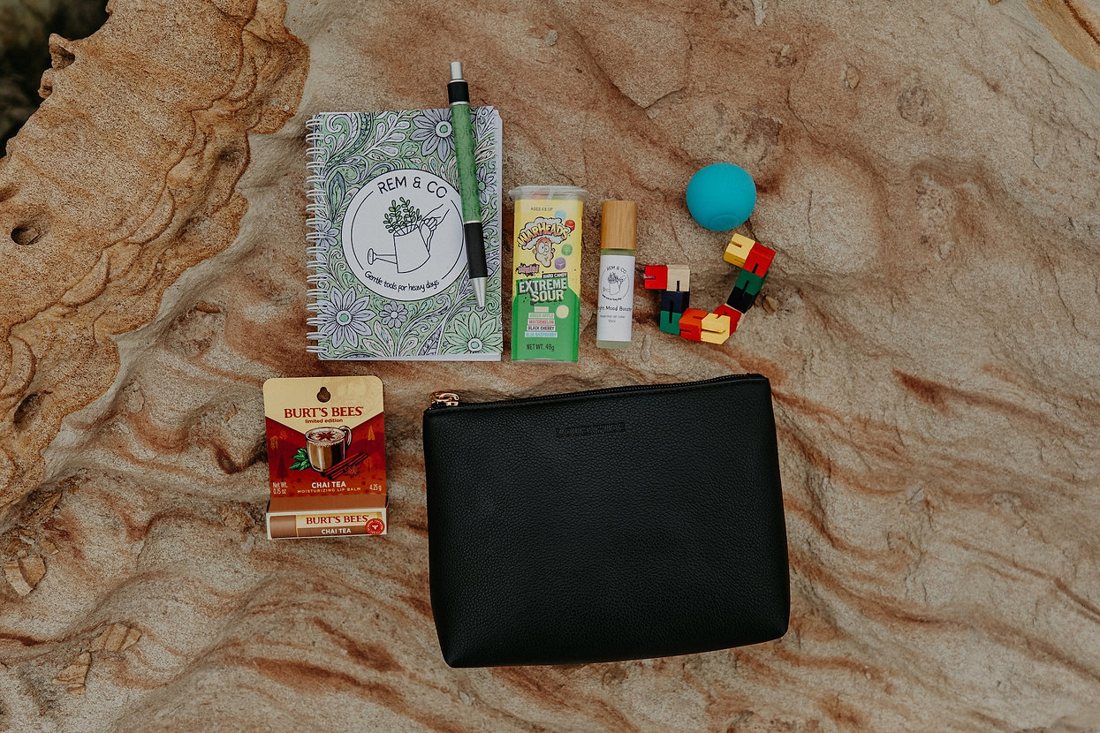
Keep it small so the box feels inviting rather than like homework. Five or six things is plenty. Here is what we like to include:
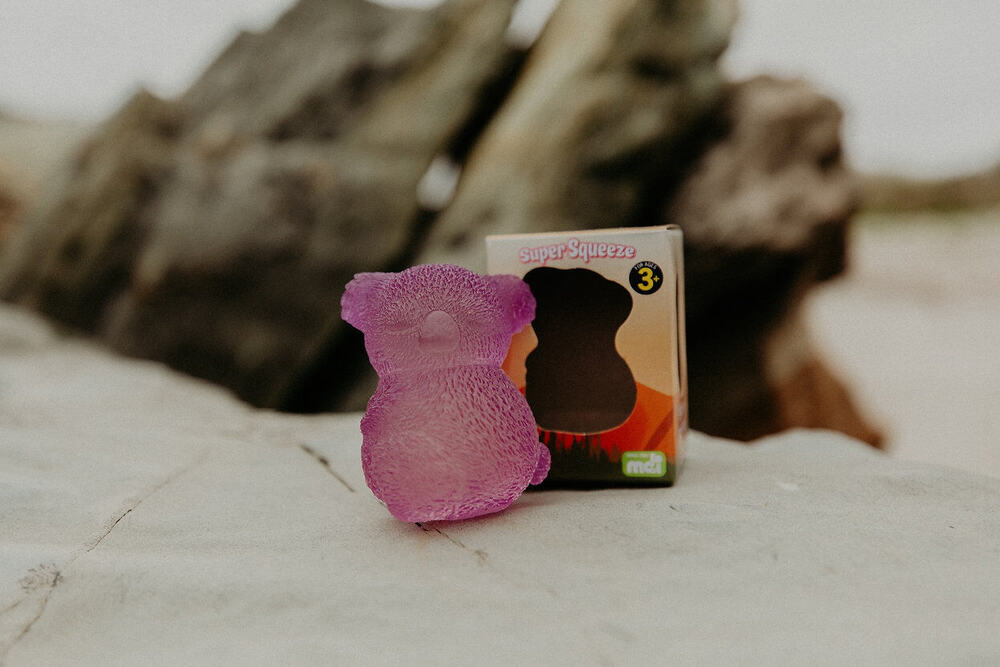
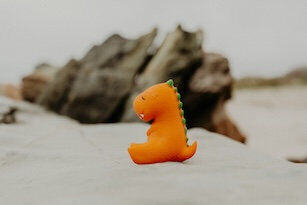
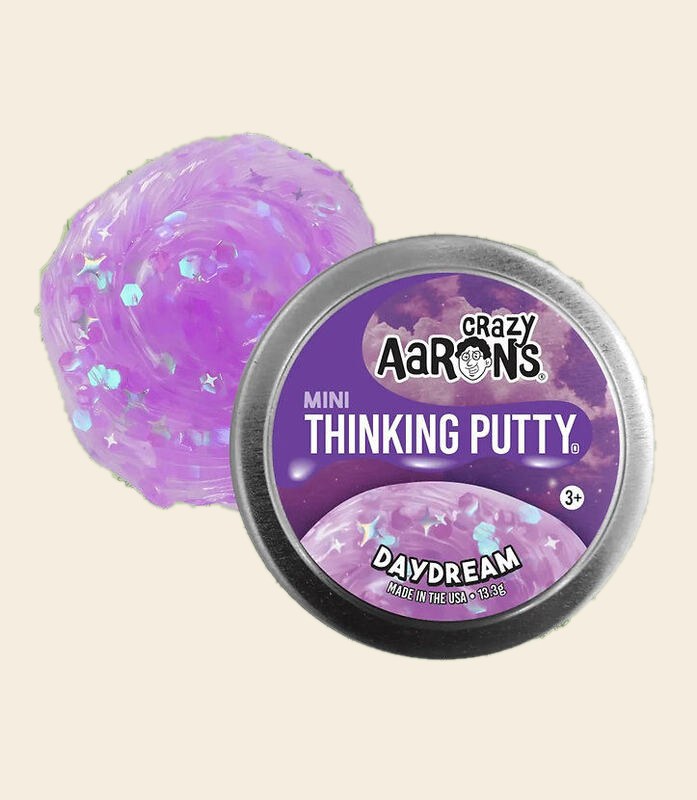
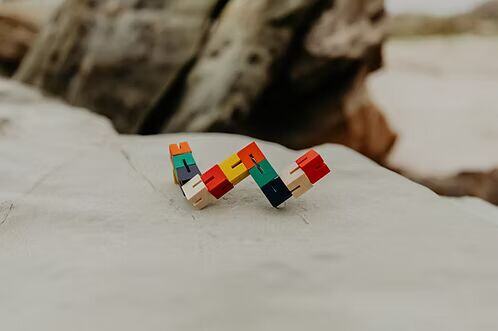
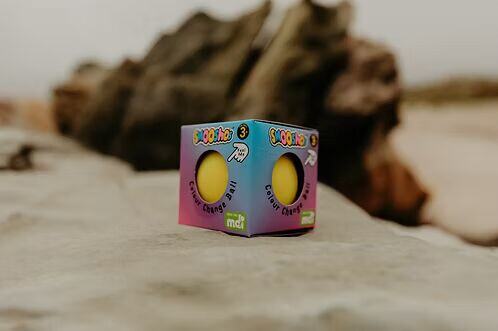
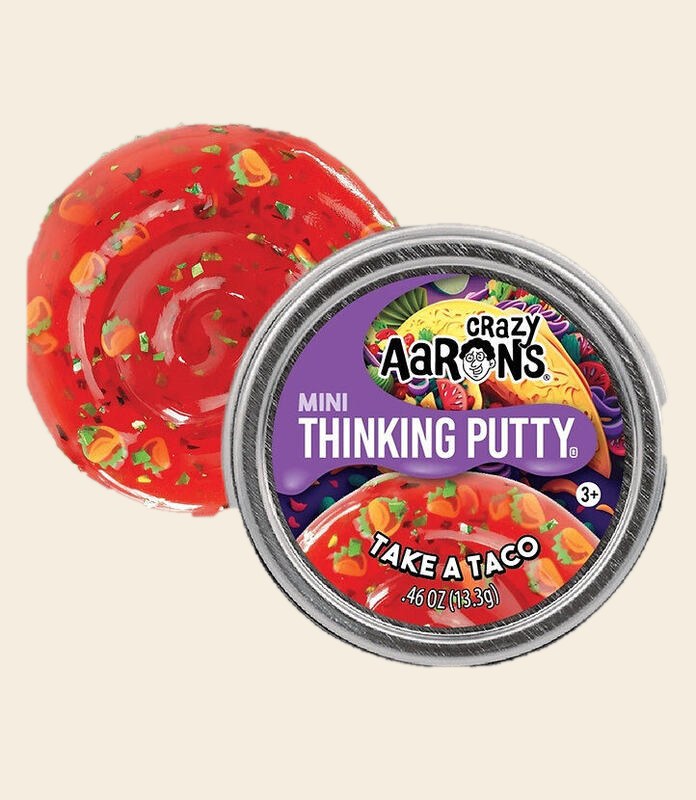
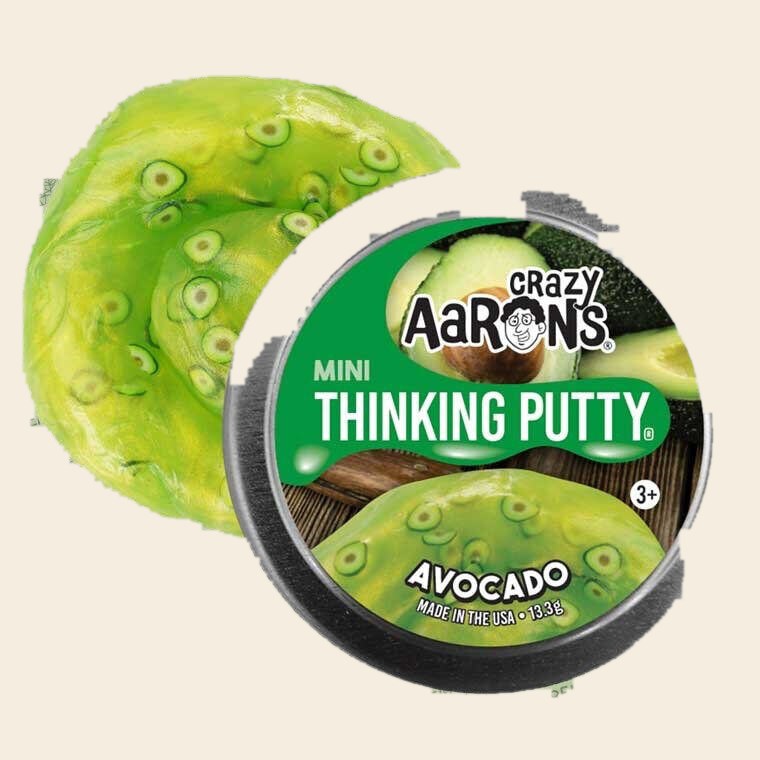
- A fidget. Something squishy or stretchy gives busy hands a job. Thinking putty is a popular pick, and we choose the fidgets in our shop for how they feel and sound, because some people want quiet and some love a good squish.
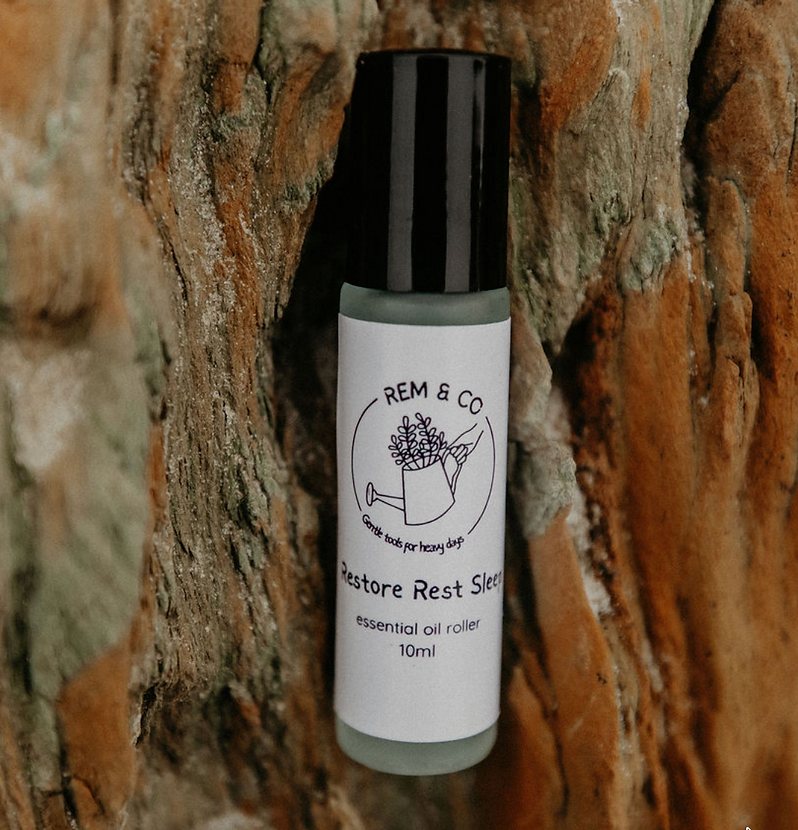
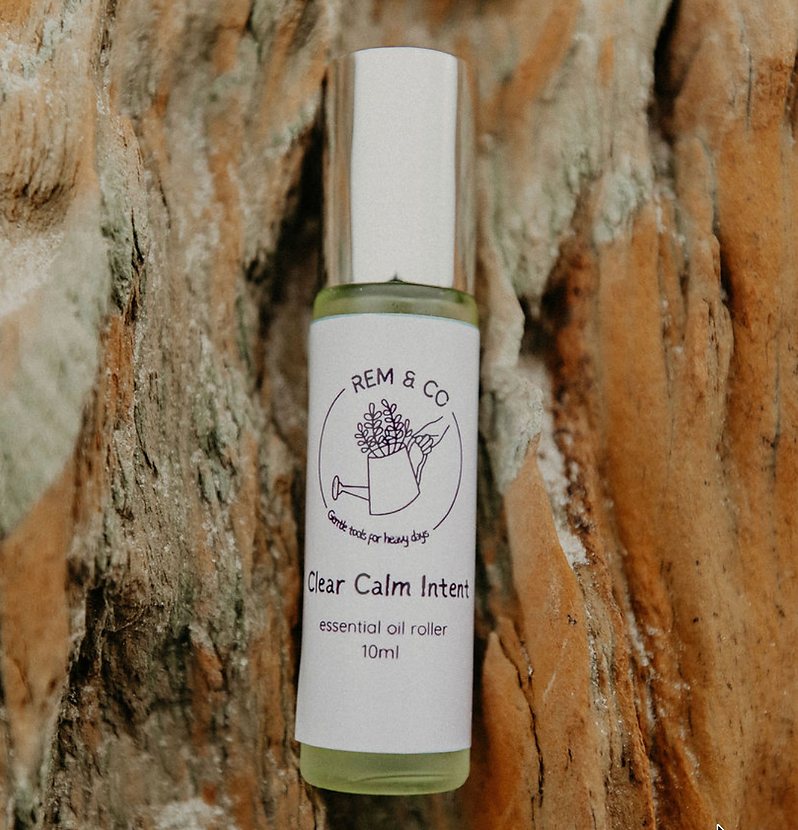
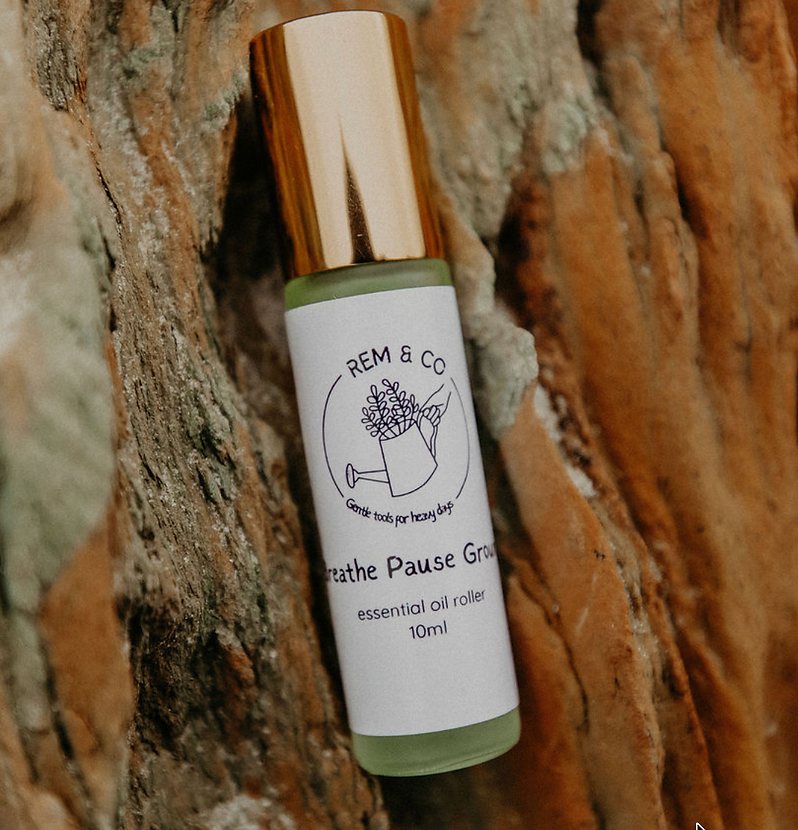
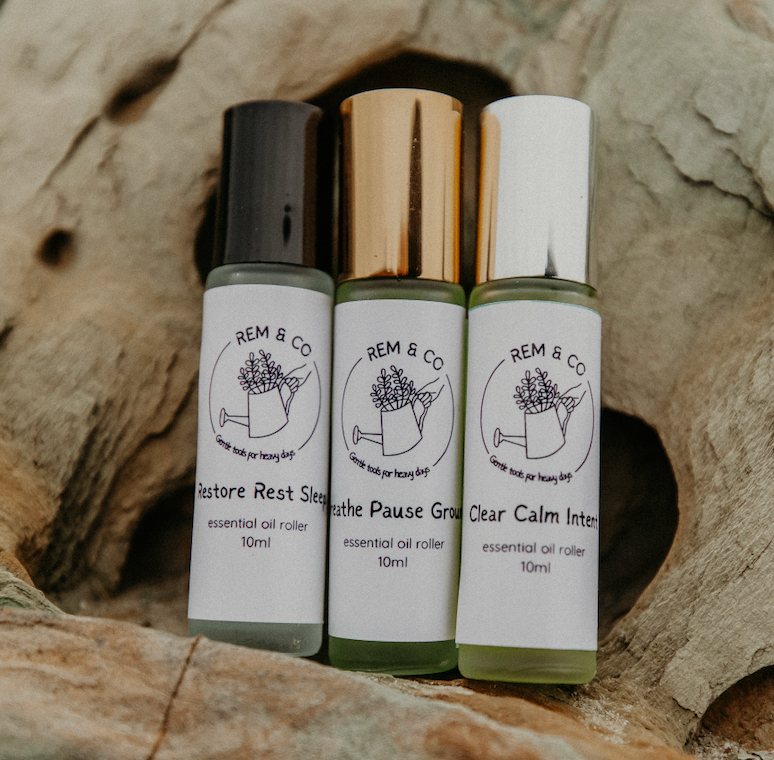
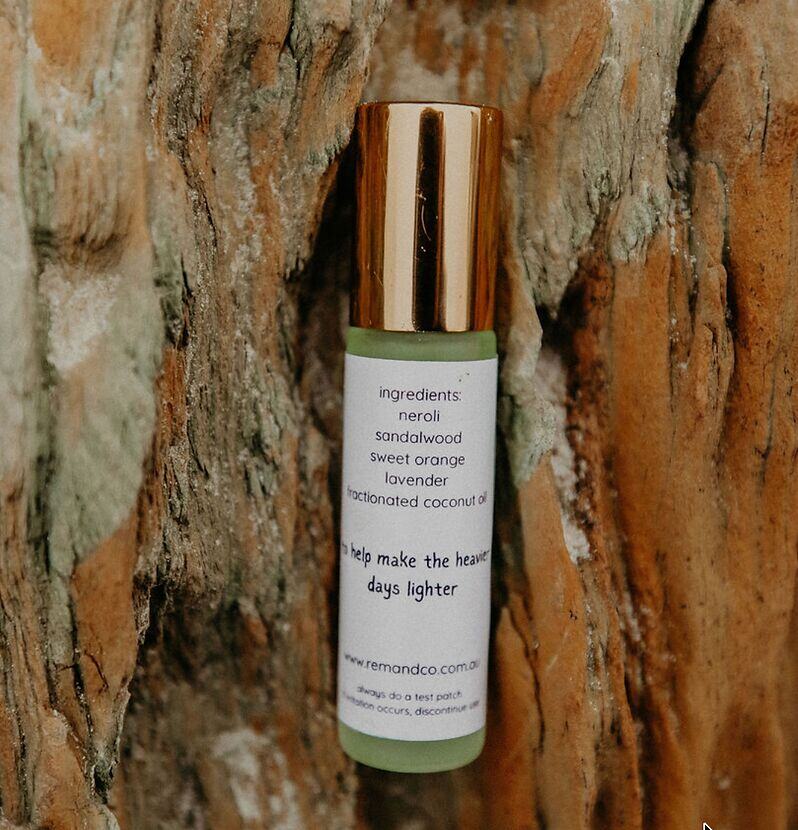
- A scented roller. A roller can be a lovely part of a calm down routine, but please read our note on essential oils below.
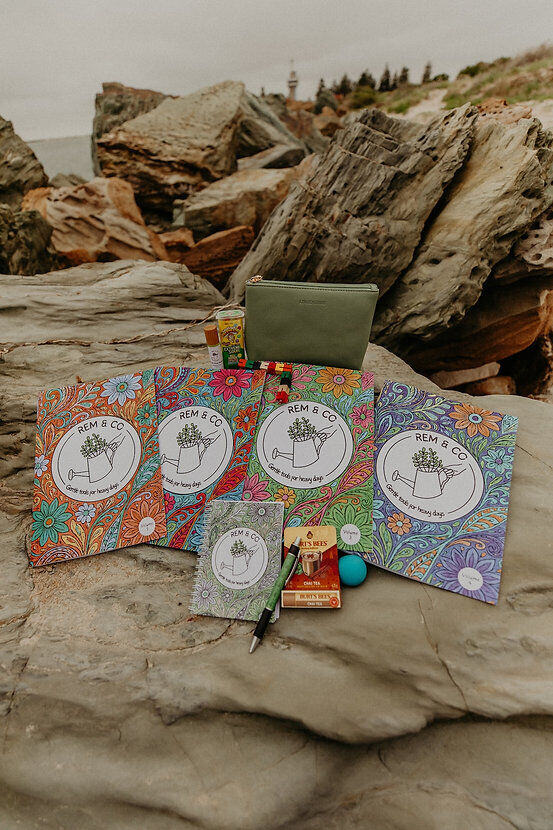
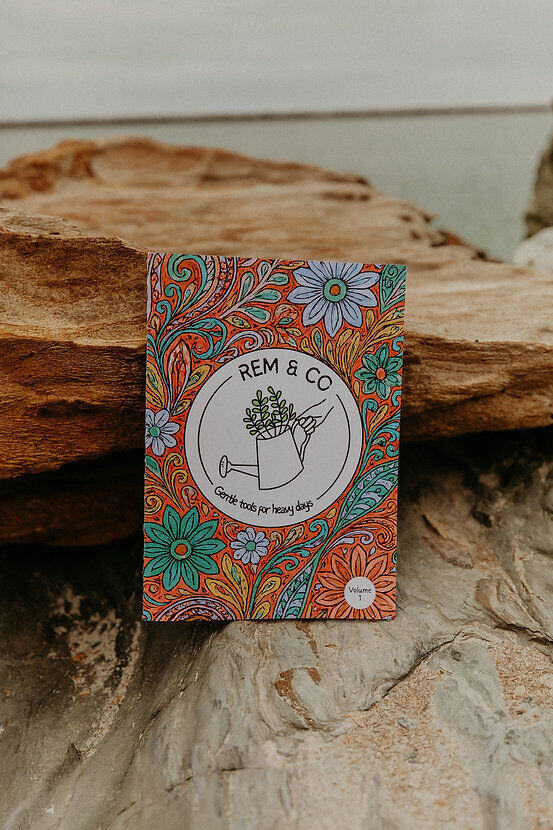
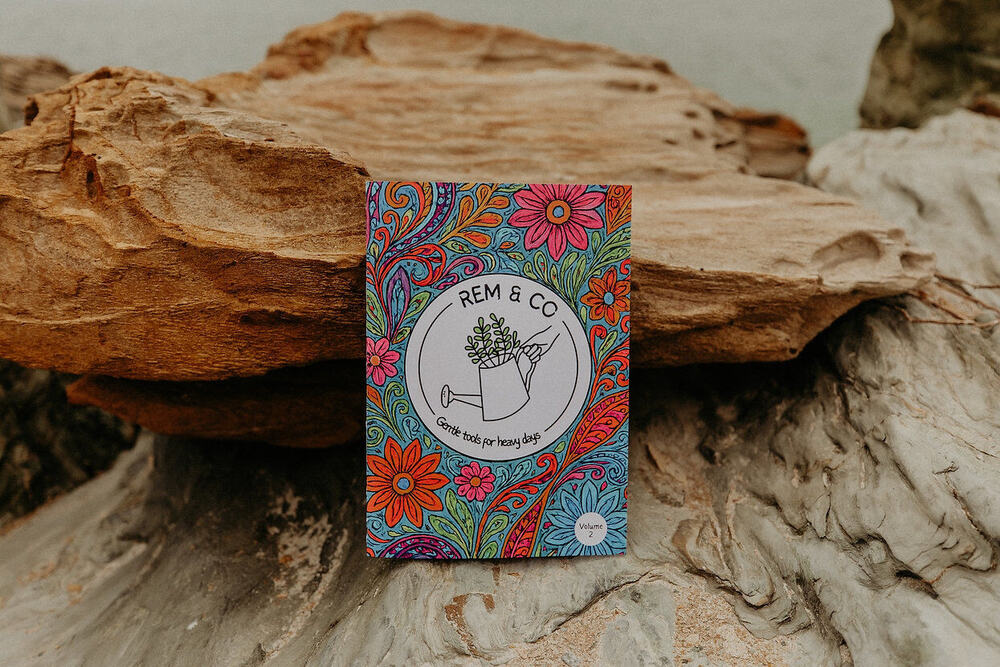
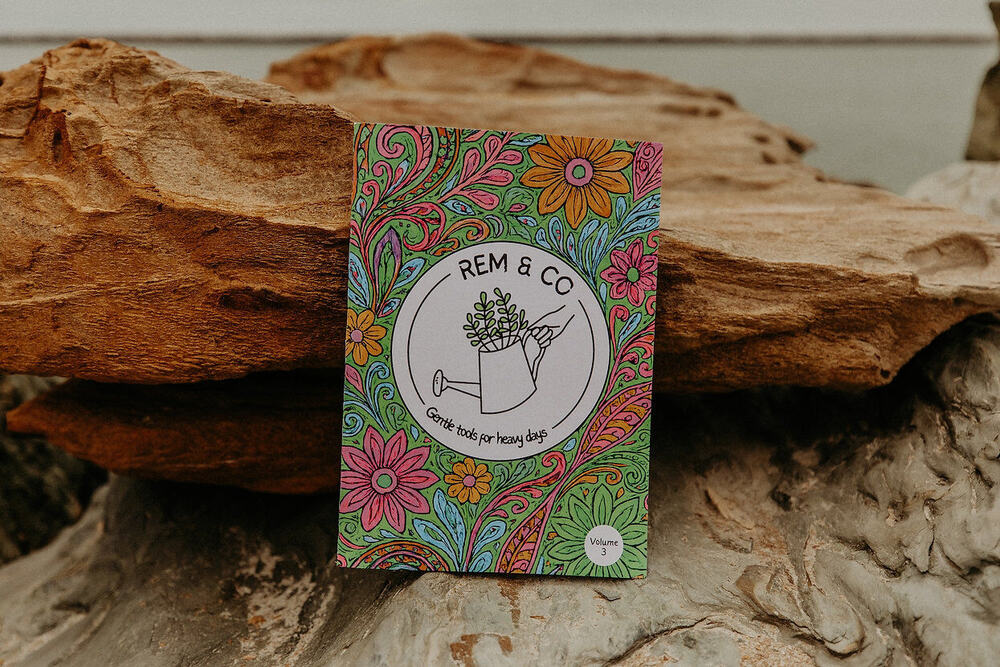
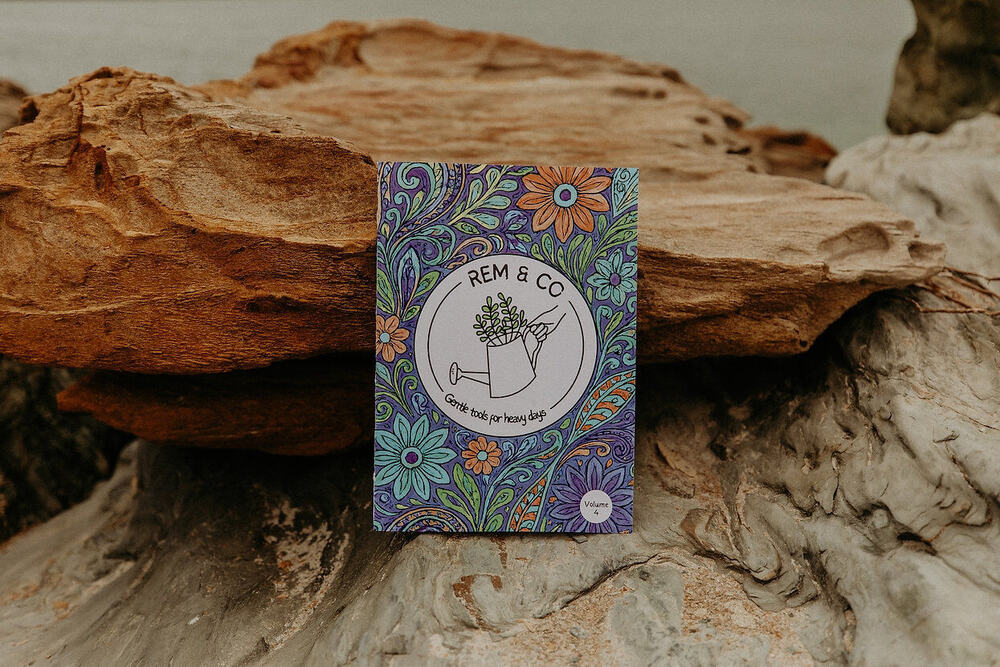
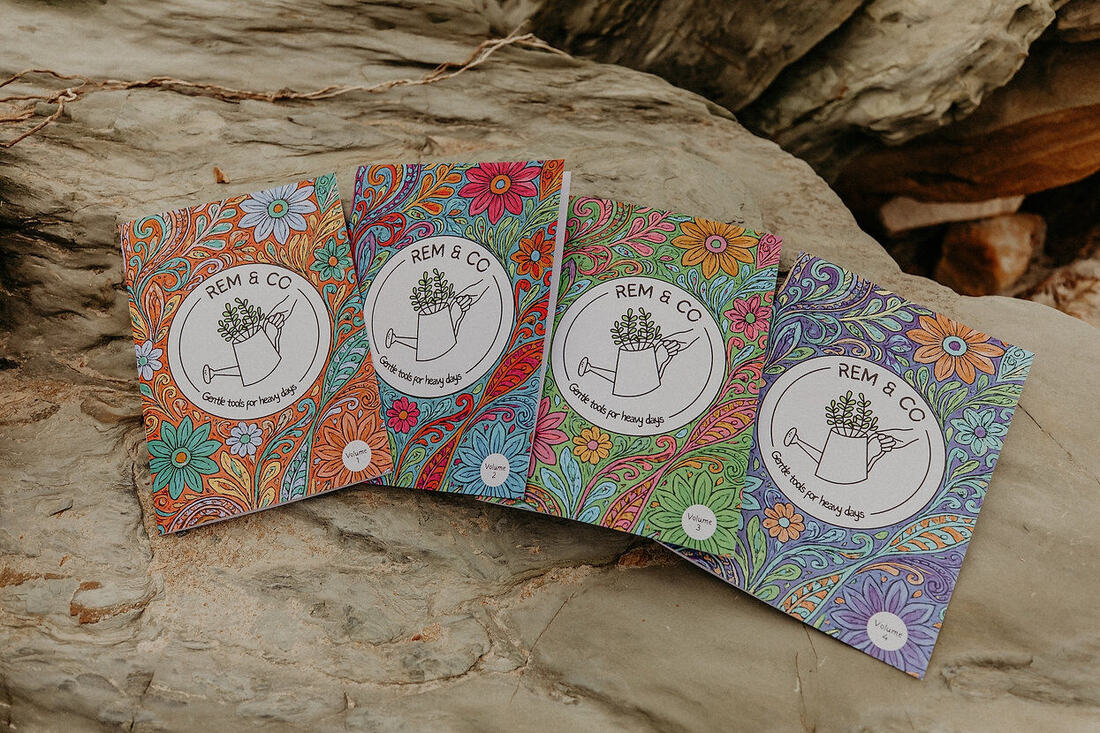
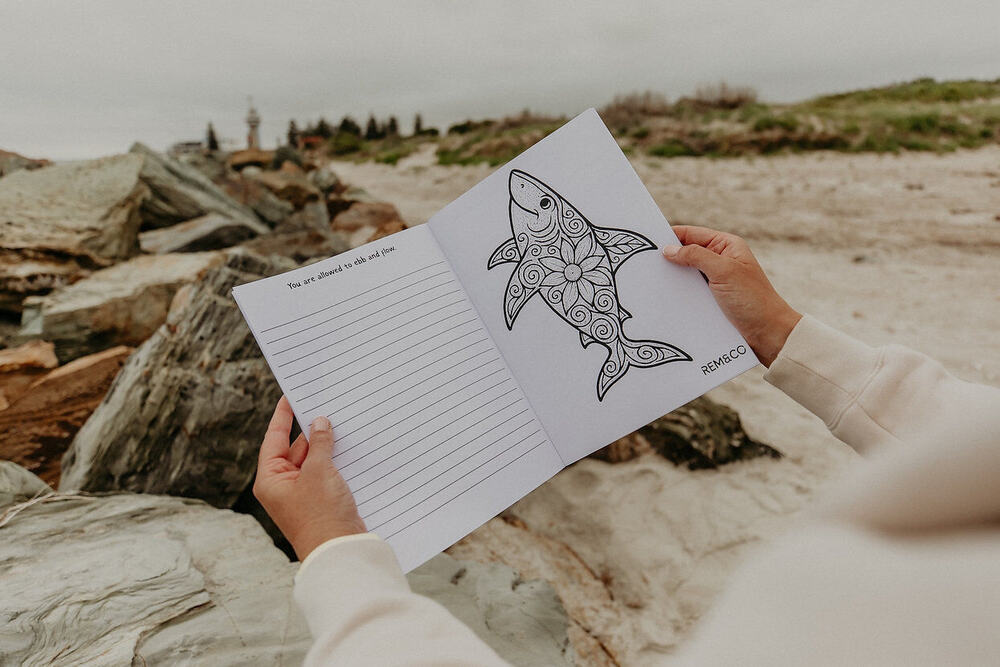
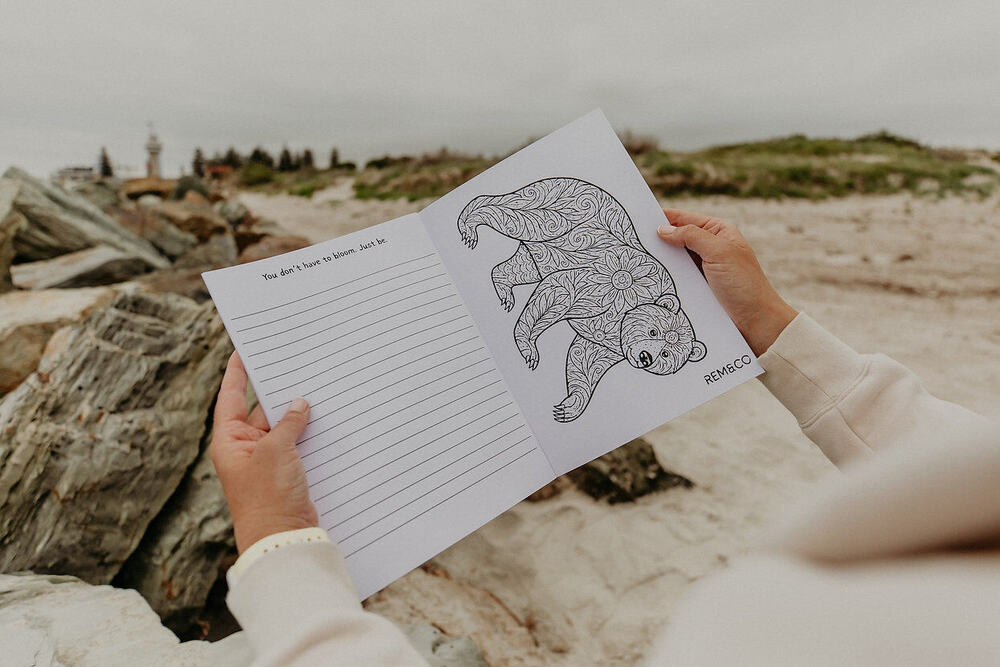
- Colouring. A small colouring book and a few pencils or textas. Colouring gives the mind something gentle to follow.
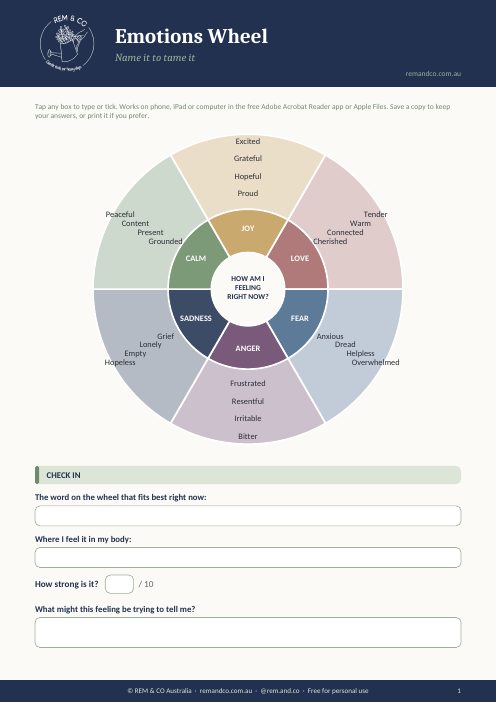
- A feelings chart. Pointing is easier than explaining. A simple chart of faces or colours lets you show how you feel without needing the words.
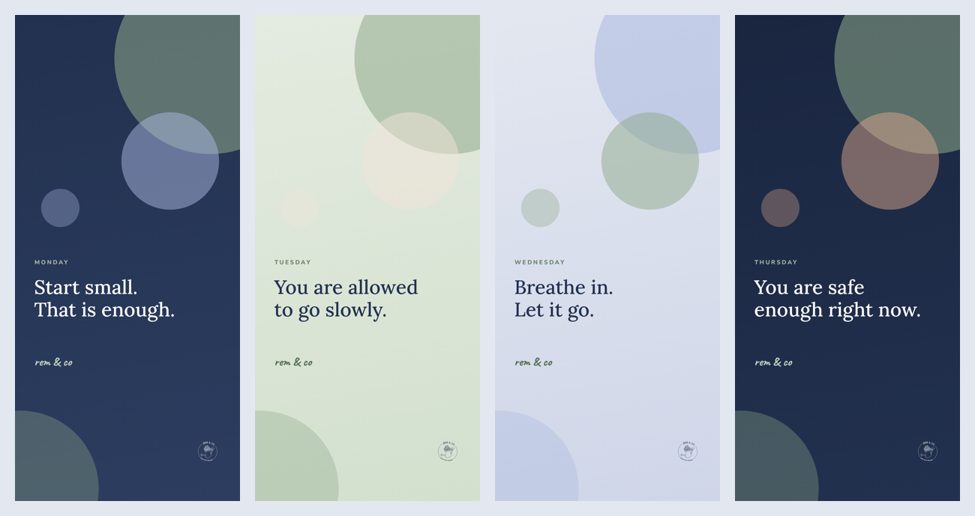
- A card of comforting words. Write it in your own voice: 'I am safe. This feeling will pass.' If the kit is for someone else, write it in yours: 'You are safe. I am here.'
- Something that is yours. A smooth stone, a soft toy, a photo, a favourite sticker. If you chose it, it belongs.
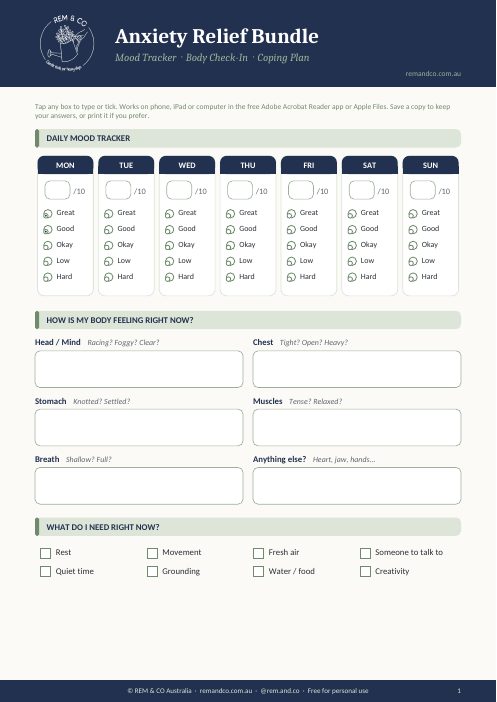
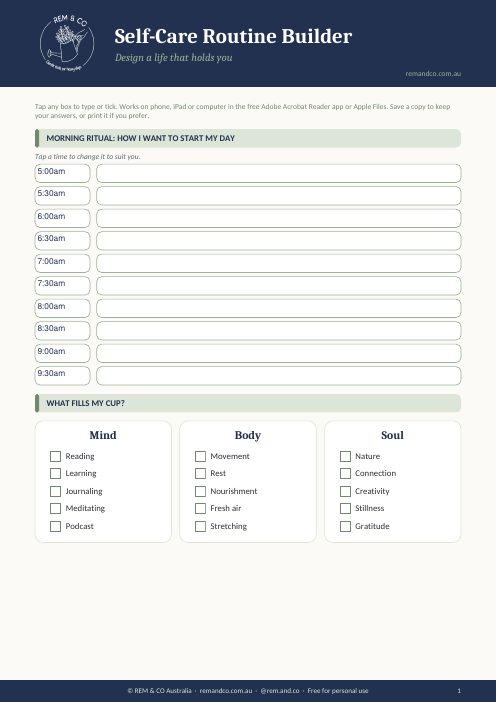
If you would rather not collect it all yourself, we have put together a ready made kit in the shop, along with fillable guides for adults, families and kids. Making your own is just as good, and often more special.
A note on essential oils
Essential oils are strong. Patch test on a small area of skin first, keep them away from eyes and mouth, and stop if your skin feels irritated. If you are pregnant, take medication, or are choosing a roller for a child, check with a pharmacist or doctor first. For young children and babies in particular, a grown up should always apply it or stay close by.
If a scent is not welcome, skip it. A kit works perfectly well without one.
How to start using it without pressure
Open your kit when you are calm, not in the middle of a hard moment. Sit down, explore it like a treasure box and decorate the box if you like. If you are making one with a child, let them help choose what goes in.
- Try each item once, when things are good.
- Name it as yours. 'This is my calm kit. I decide when to use it.'
- Practise before you need it, so it feels familiar when you do.
- If it is for someone else, offer and do not insist. 'Would your kit help right now?' lands softer than 'Go and calm down.'
It is okay if the kit sits unused for weeks. Some people take time to trust a new tool, and some will use only one item every single time. That is still a win.
Keep it where you can reach it
A kit on a high shelf is a kit that never gets used. Keep it somewhere you can get to without asking: a bedside drawer, a basket by the couch, a desk at work, or a bag that goes in the car.
A mini version also works well for a handbag, work bag or school bag, with just a fidget and your comforting words card. Others set up a small calm corner with a cushion, a blanket and the kit close by. Choose whatever fits your life.
Using the kit in the moment
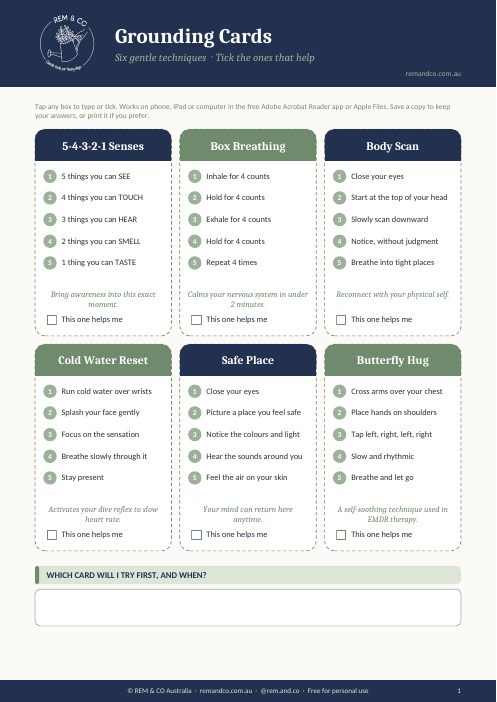
When a big feeling arrives, slow your breathing and go gently. Pick one thing from the box and give it your full attention for a minute or two. If you are helping someone else, keep your voice low and slow, get down to their height, and say something like, 'I can see this is really hard. Would you like to look in your kit?' Then stay close. Calm company does more than any item in the box.
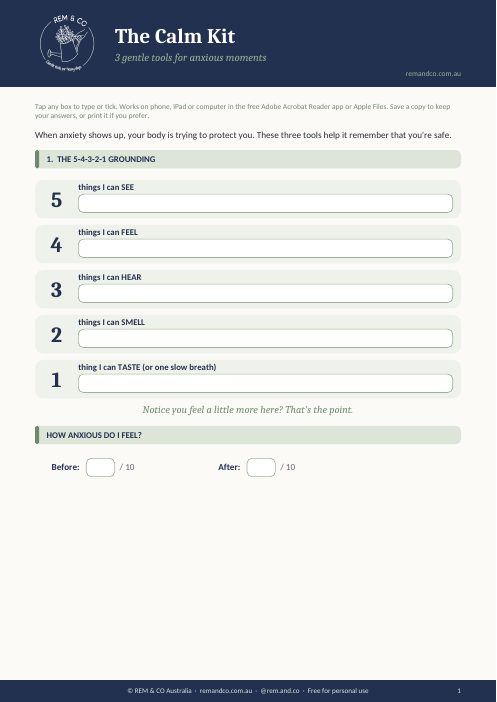
Afterwards, once things have settled, it helps to think about what worked. Our free Emotions Wheel is useful here, because it gives children and grown ups words for feelings that are hard to name. Our free Calm Kit printable can also help you plan what goes into your box.
A gentle reminder: we are not health professionals, and a kit is a support, not a treatment. If worries are getting in the way of work, school, sleep, friendships or everyday life, a chat with your GP or a health professional is a good next step. Asking for help is a sign of care.
Written by Ren and Em.