



Fidgets for Anxiety: How to Choose One That Suits You
A fidget is a small tool that gives your hands something to do. Some people love them, some do not, and both are fine. Here is how to pick one that has a real chance of suiting you.
If you have been looking into fidgets for anxiety, you have probably noticed there are a lot of them, and they all promise a lot. We will keep this simple. A fidget is a small object that gives your hands something to do. For some people that helps the rest of the body settle. For others it is a distraction, an annoyance, or just another thing to lose at the bottom of a bag. Both are completely fine.
Do fidgets for anxiety help?
Many people find that something to squeeze, stretch or roll between the fingers can take the edge off a nervous moment. It gives restless energy somewhere to go, and it gives your attention a gentle anchor in the present. That is about as far as we would take it. A fidget is a tool, not a treatment, and it will not suit everyone.
If you try one for a couple of weeks and it does nothing for you, that tells you something useful about what you need. Put it away without guilt and try something else, like slow breathing, a walk or colouring.
Five things to think about before you choose
- Texture. This is the big one. Some people crave soft and squishy, some want smooth and cool, some like a bit of resistance. Think about what feels calming on your skin, and what makes you wince.
- Noise. Clicky and squeaky fidgets can be satisfying for you and maddening for everyone within earshot. For classrooms, meetings and quiet offices, choose silent.
- Size. A fidget that fits in a pocket gets used far more than one that needs a bag. Too tiny and it gets lost, too big and it gets in the way.
- Discreet or obvious. Some people love a fidget that looks like a toy, because it makes them smile. Others want something no one will notice.
- Sturdiness. If you squeeze hard when you are stressed, pick something that can take it.
Choosing for school, work and home
For school, think quiet and small. Many teachers are happy with a fidget that stays in a hand or pocket and does not get thrown or squeaked. It helps to talk to the teacher beforehand so it is agreed rather than confiscated.
For work, look for something you can use under a desk or during a call without anyone noticing. Putty and smooth beads are good here because they are silent.
At home, you can go as loud and silly as you like. This is a good place to try different textures and find out what you reach for without thinking.
A few of our favourites, and who they suit
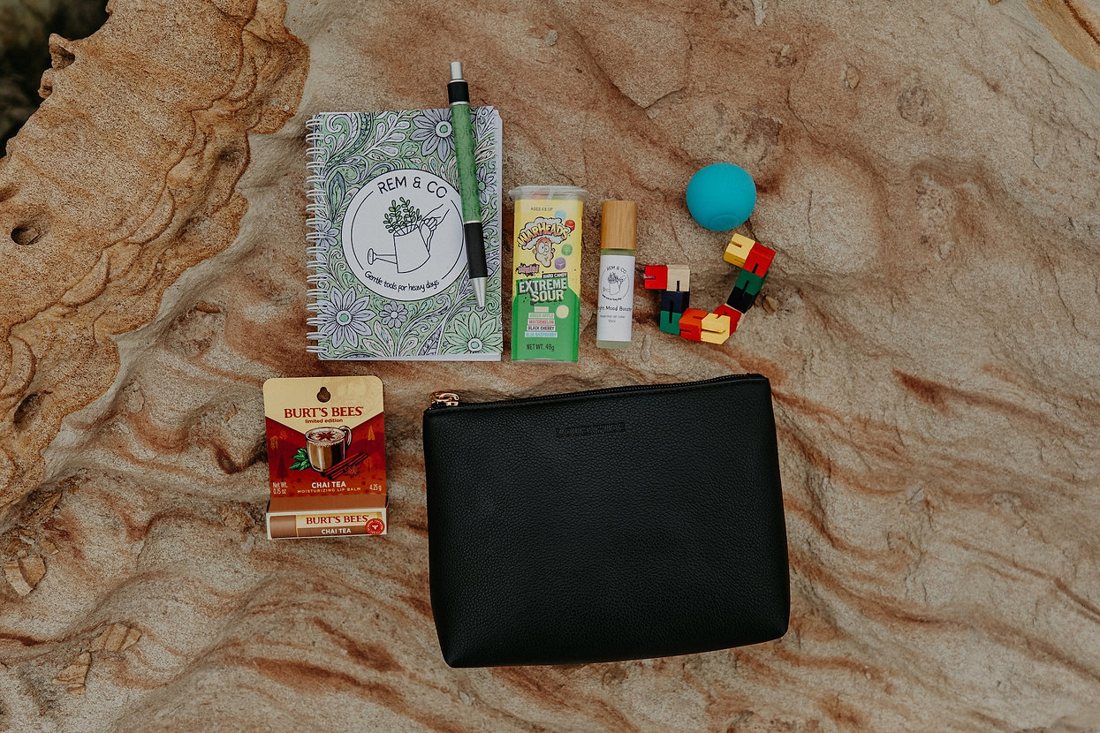
We choose every fidget in our shop for how it feels in the hand, and we test them ourselves on the couch with a cup of tea. Here is how we think about a few:
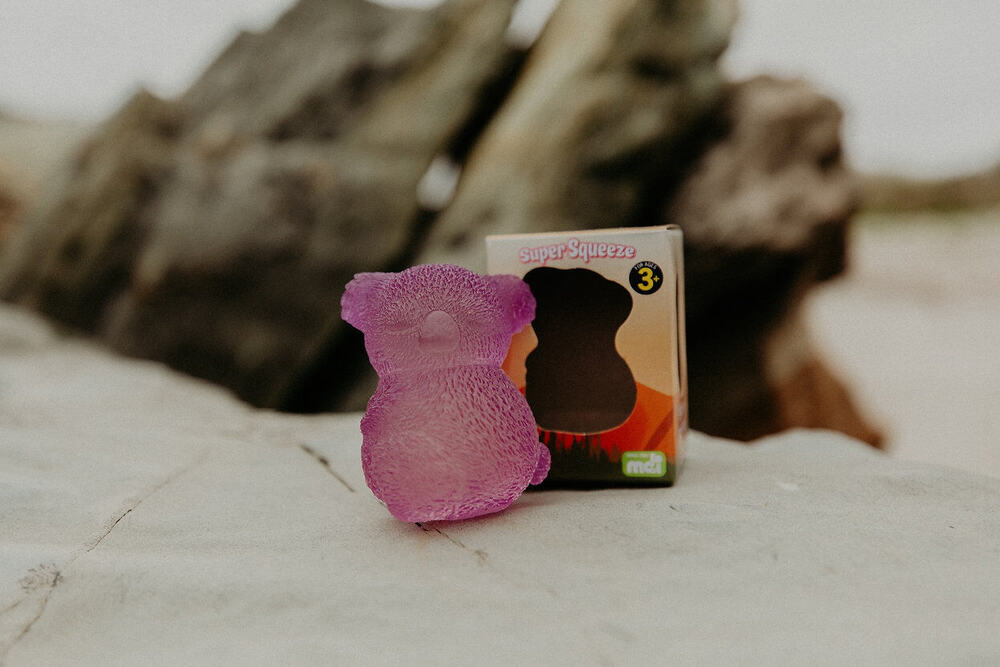
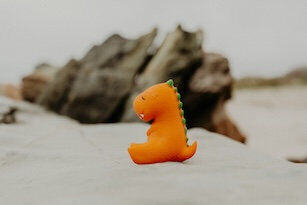
- The squishy koala is soft, slow to bounce back and very hard to be cross at. It suits people who love a squeeze and kids who like something cuddly.
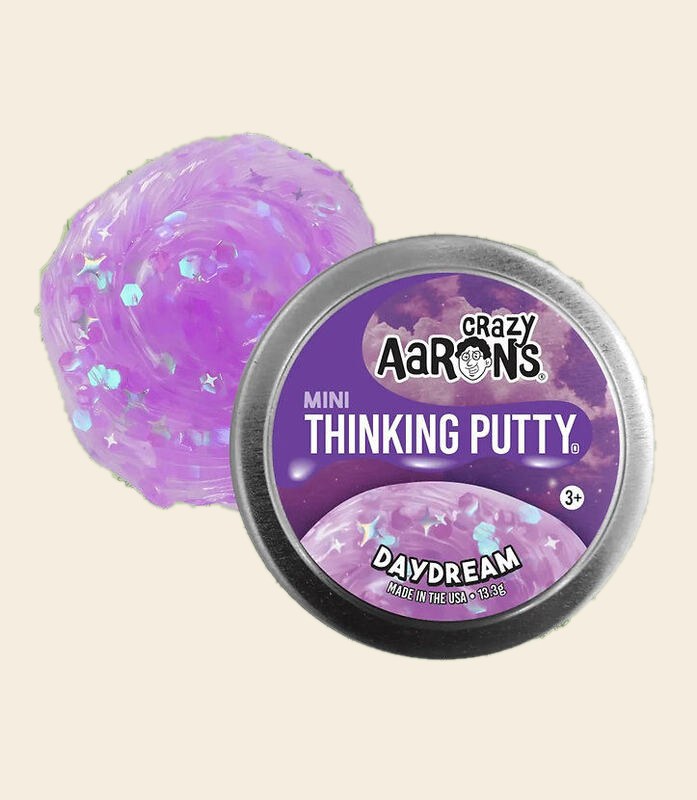
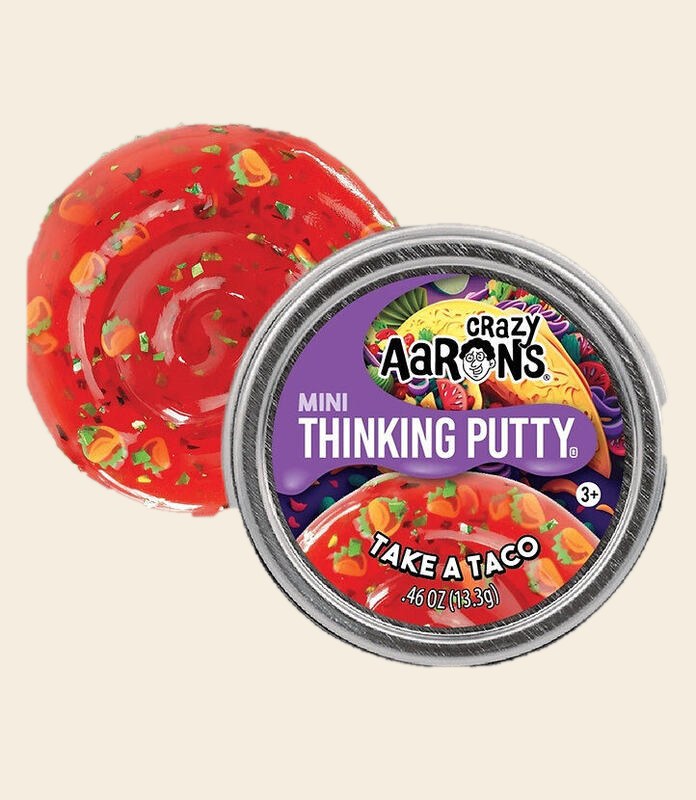
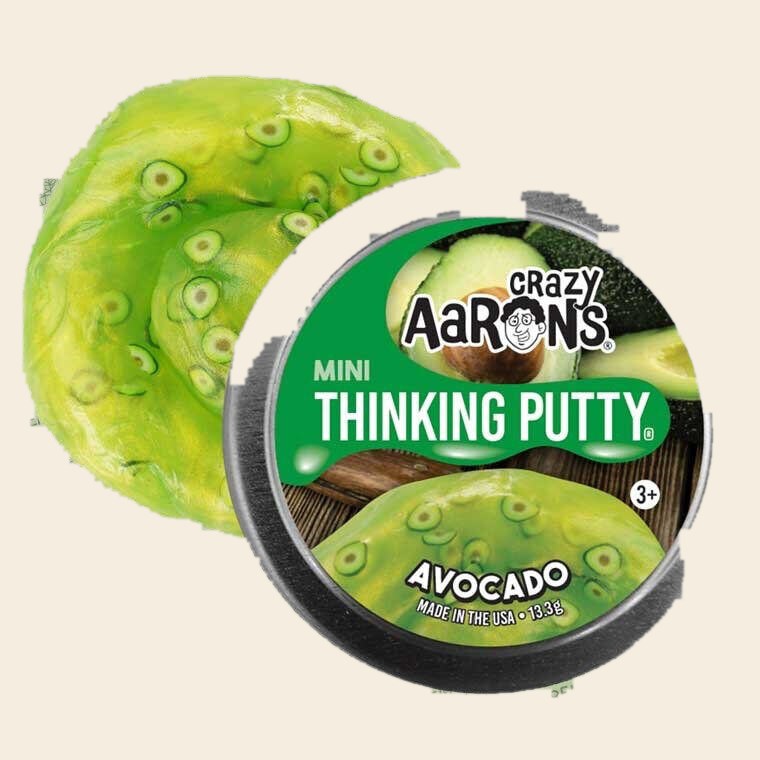
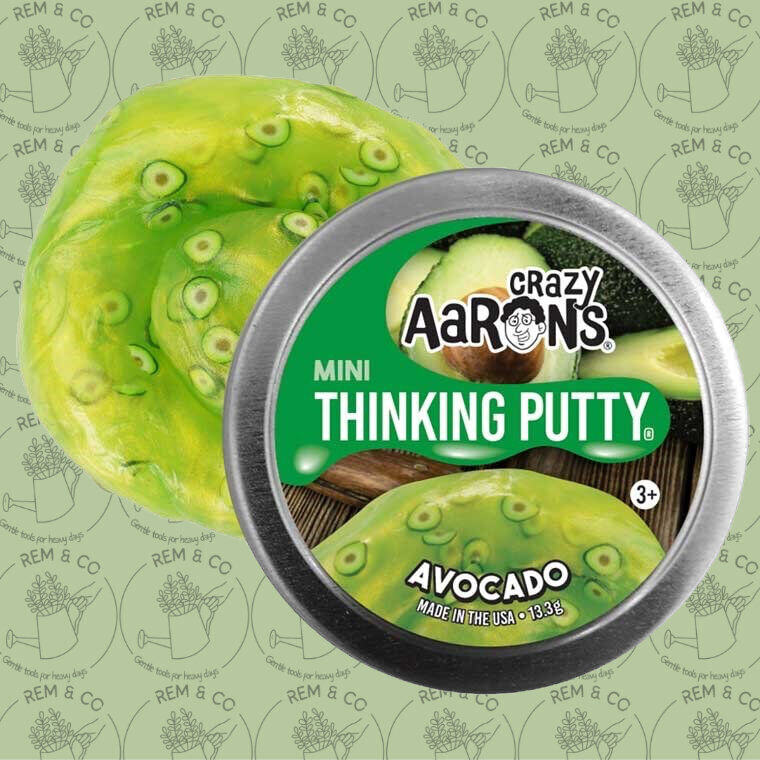
- Thinking putty can be stretched, folded, pressed and rolled, and it is quiet. It suits people who like to keep their hands busy for a long time.
- The beads suit people who like a steady rhythm, moving one bead at a time along their fingers. They are small and discreet.
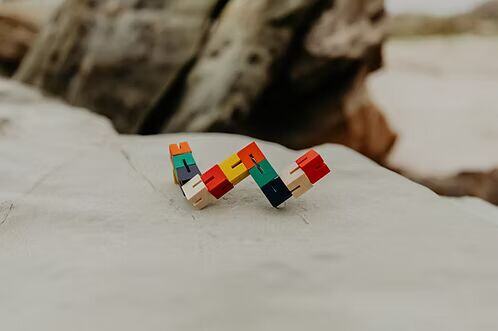
- The blocks suit people who want to fold and flip something while they think. They are handy at a desk or on a long phone call.
For kids and for adults
Children often know straight away what they like, so if you can, let them choose. Offer two or three options and watch which one they keep picking up. For younger children, check that anything small is suitable for their age and keep an eye on it.
Adults sometimes feel silly with a fidget. You are not. If you would not think twice about clicking a pen or twisting a ring, a fidget is the same idea with more thought behind it.
How to try one
Start using it during something low stakes, like watching TV or waiting for the kettle, so it becomes familiar. Then bring it along to harder moments.
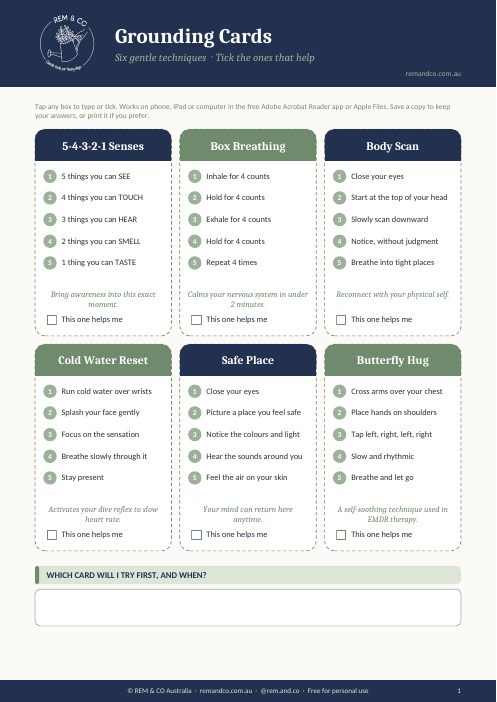
You can also pair it with slow breathing: squeeze gently as you breathe in, then soften your grip as you breathe out slowly. Our free Grounding Cards have a few other ideas for settling your mind and body, and a fidget fits in nicely alongside them.
One last gentle note. We are not health professionals, and a fidget will not take the place of support. If anxiety is getting in the way of daily life, speaking with your GP or a mental health professional is a good next step.
Written by Ren and Em.